Michael's Wine Answers: Your Guide to Homemade wine
The Home Winemaker’s Guide to Storing Your Wine
You’ve put in the time and care to craft a delicious batch of homemade wine. Now, how do you make sure it stays that way? Proper storage is the key to preserving the flavors you’ve worked so hard to create.
Whether you have a dedicated wine cellar or are just using a kitchen cupboard, here’s what you need to know.
Understanding the Enemies of Wine
There are four main things that can ruin a perfectly good bottle of wine:
Temperature: This is the most important factor. Wild temperature swings can “cook” your wine, causing it to lose its fresh flavors and develop a sour, baked-fruit taste. A consistent temperature is far more important than a specific one.
Light: Just like with beer, too much light—especially direct sunlight—can prematurely age your wine and give it a skunky smell. Dark-colored bottles help, but keeping them in a dark place is even better.
Oxygen: Once bottled, wine’s biggest enemy is oxygen. Too much exposure will turn your wine into vinegar. That’s why a good seal is so critical.
Vibration: Constant shaking can disturb the sediment in your wine and accelerate the aging process, which can negatively impact the flavor.
Your Storage Options: From Ideal to “Good Enough”
The Ideal: A Wine Cellar or Wine Fridge
The perfect scenario is a dedicated space with a stable, cool temperature (around 55°F or 13°C) and consistent humidity. A wine fridge or a cool, dark basement are excellent choices for long-term storage of several years or more.
Best for: Reds with high tannins and wines you want to age.
The Reality: Room Temperature Storage
Most of us don’t have a wine cellar, and that’s perfectly fine! The vast majority of homemade wines are meant to be enjoyed young, and they’ll be great at room temperature for a few months.
If you are storing wine in your living space, a few simple tips can make a big difference:
Find the Coolest Spot: Look for a place that stays a consistent temperature. An interior closet, a pantry, or even under a bed can work well.
Avoid the Kitchen: Your kitchen is the worst place for wine. The constant heat from cooking and the temperature changes from opening and closing the fridge can damage your wine quickly.
Keep it Dark: Store your bottles in a cupboard or box to protect them from light.
Store Corked Bottles on Their Side: This keeps the cork moist and prevents it from drying out, which can let air into the bottle.
The Final Test
The best way to know if your wine is still good is to trust your senses. If the color is off, it smells like vinegar or wet cardboard, or it tastes flat or sour, it’s likely past its prime. But with proper care, your homemade wine can be a source of pride and enjoyment for months, and even years, to come.
Are there health benefits to wine?
Red wine, in moderation, has long been thought of as heart healthy. The alcohol and certain substances in red wine called antioxidants may help prevent coronary artery disease.
What wine is healthiest?
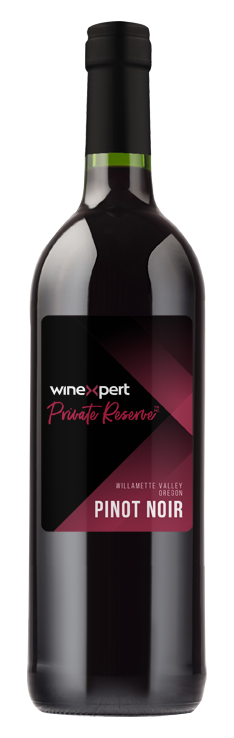
Pinot Noir is rated as the healthiest wine because of the high levels of resveratrol. It is made of grapes with thin skin, has low sugar, fewer calories, and low alcohol content.
Here are some fun, weird, and amusing facts about wines.
To quench their thirst, people drank wine instead of water centuries ago. …
Grapes are the most planted fruit all over the world.
You need to drink 7 glasses of orange juice or 20 glasses of apple juice in order to get the same amount of antioxidants in wine.
Touching glasses before drinking was originated in ancient Rome. I’ve heard 7 years of bad luck or worse 7 years of bad sex. I don’t know about you but ching, ching!
Wine and food
The sweetness of wine is reduced when you chill it. Red wine, however, loses its fruity flavor if it becomes too warm.
For pairing in meals, heavier food goes well with a heavier wine. Red wine is usually served with red meat, while white wine is served with chicken or fish. When it comes to pairing wine with dessert, go for sweet wine.
Drinking wine during a meal can enhance and complement the flavour of food. Wine can be served to make social gatherings more memorable, and. Wine can be enjoyed by helping people unwind and produce a state of euphoria.